The evolving relationship between NCAA beach volleyball and the professional game is beginning to redefine the sport’s structure, as college athletes increasingly compete—and succeed—on the international stage during the collegiate season. What was once viewed as a post-collegiate pathway has now become a parallel track, with top NCAA players accelerating their development while simultaneously influencing recruiting trends and competitive balance within the college game.
The most recent example came at the Beach Pro Tour Challenge event in Tlaxcala, Mexico, where Texas standouts, representing Czechia, Anna Pavelkova and Katerina Pavelkova captured first place against a seasoned international field. Competing primarily in the No. 2 position for Texas, the Pavelkova sisters demonstrated that collegiate athletes are not only capable of competing at the professional level, but of winning outright. Their victory, however, was not an isolated case—it is part of a broader movement that is reshaping expectations for elite NCAA players.
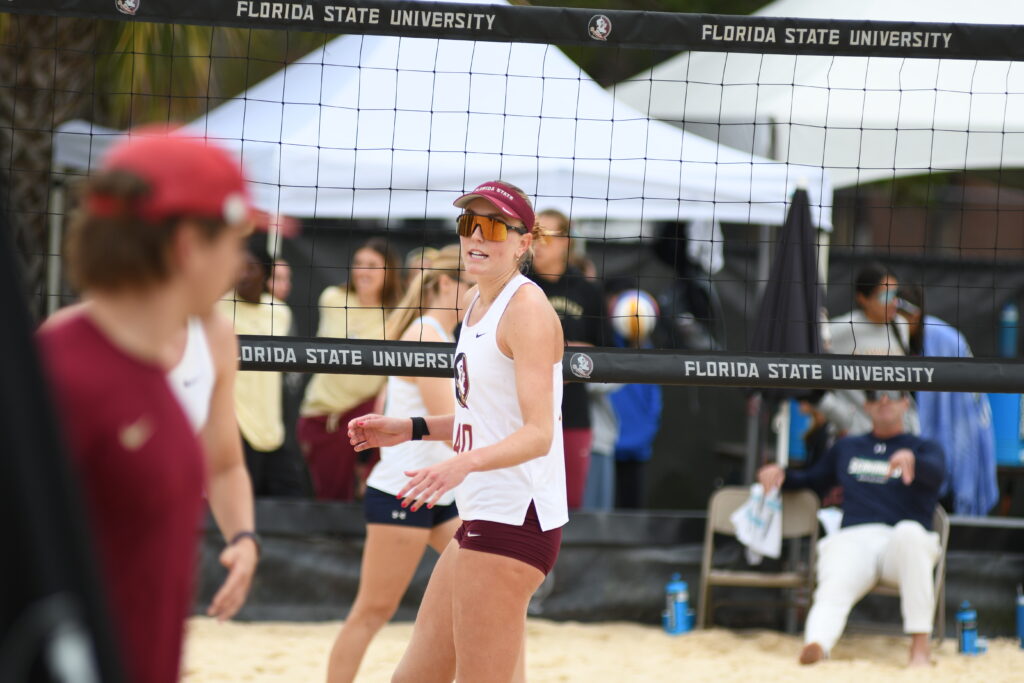
Earlier in the college season, Florida State’s top pair of Audrey Koenig and Alexis Durish achieved a similar milestone, winning a separate Beach Pro Tour Challenge event in India. Like the Pavelkovas, Koenig and Durish balanced the demands of NCAA competition with international travel, returning to the collegiate lineup with enhanced experience and confidence. The fact that two different NCAA pairs, from two separate programs, secured titles on the same professional tour within the same season underscores the magnitude of this shift.
From a player development standpoint, the benefits of competing in professional tournaments are substantial. Facing Olympic-level and internationally experienced teams exposes college athletes to a higher level of tactical sophistication and physicality than they would typically encounter in NCAA play. This accelerates growth in areas such as shot selection, defensive reads, and adaptability to varying playing styles. Additionally, the pressure of competing for prize money and global ranking points fosters a level of mental toughness that directly translates back into collegiate competition. The result is a new type of athlete—one who is developing within the NCAA system while already performing at a professional standard.
This trend is also having a profound impact on recruiting, particularly on the international front. Programs like Texas, TCU, and LMU are increasingly attractive to global prospects because they offer a dual pathway: the opportunity to compete for NCAA championships while simultaneously building a professional résumé. The Pavelkovas, who arrived in the United States with prior international experience, exemplify how international athletes can leverage the NCAA system as a launching pad for both collegiate and professional success. As more players recognize this model, recruiting is likely to become more globally competitive, raising the overall talent level at the top while potentially widening the gap between elite programs and the rest of the field.
At the same time, this dual participation model introduces new challenges for the college game. The Pavelkovas’ absence from a Texas event while competing in Mexico highlights the growing tension between NCAA commitments and professional opportunities. As more top athletes pursue international competition during the season, teams must navigate issues related to lineup consistency, depth, and scheduling. Programs with deeper rosters will be better equipped to handle these disruptions, which could further contribute to competitive imbalance across the NCAA landscape.
While the current surge in professional participation may seem sudden, its roots can be traced to recent seasons. The reigning national champions, TCU, notably embraced a similar approach last year by allowing their top players to gain experience in professional events while still competing collegiately. College athletes are no longer simply gaining experience—they are consistently winning Challenge level events, one step below the highest tier of international beach volleyball.
Taken together, these developments suggest that NCAA beach volleyball is entering a new era. The traditional boundary between amateur and professional competition is becoming increasingly blurred, and the NCAA is evolving into a key component of the global development pipeline. For players, this creates unprecedented opportunities for growth and exposure. For programs, it raises the stakes in recruiting and roster management. And for the sport as a whole, it signals a future in which the world’s best young talent is developed not exclusively before or after college, but during it.